时文阅读
中国探月飞行器成功返回地面
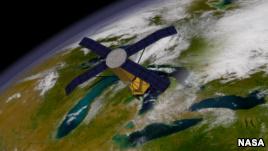
2014年10月24日,嫦娥五号T1试验飞行器在西昌成功发射,经过八天飞行后于11月1日顺利返回,使中国成为世界上第三个掌握再入返回技术的国家。嫦娥五号T1的飞行任务是对嫦娥5号技术进行试验,为2017年发射嫦娥5号登月采样并返回做准备。
英国载人飞船“太空船2号”试飞爆炸
英国载人商业飞船“太空船2号”10月31日在美国西南部莫哈韦沙漠测试飞行时坠毁,据悉,“太空船2号”在测试飞行时发生“严重异常”情况,导致飞船损毁。
中国飞行器首次成功绕月返回
中国的环月飞行器首次绕月成功返回,这次环月飞行历时八天,在周六上午6:13开始返航,接近大气层时,飞行器工程师成功地给其降速,安全着陆。这次飞行为将来的任务搜集的大量资料并积累了经验。
智能全覆盖时代,钥匙的历史或将终结
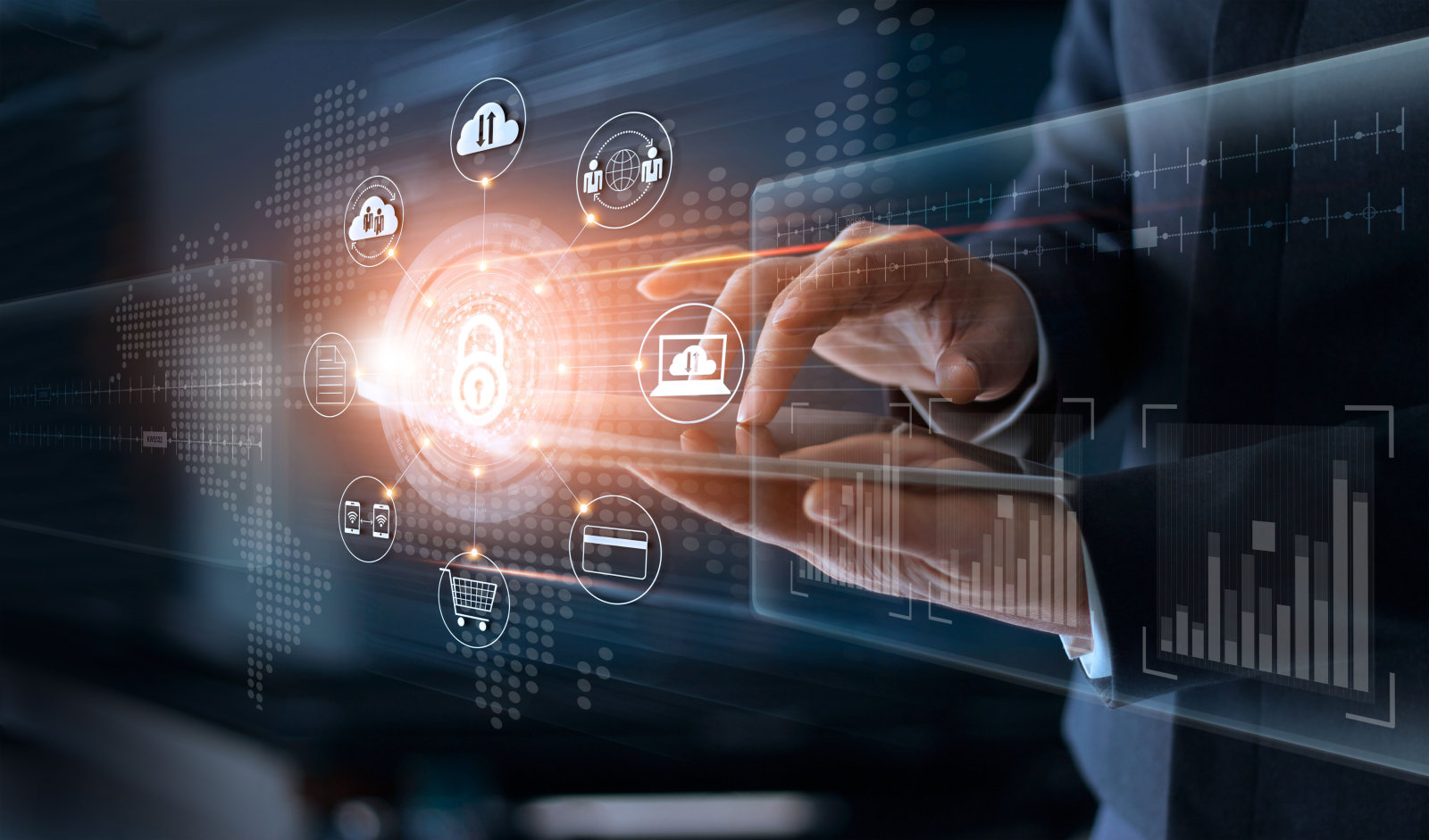
      美国August 公司研制开发的智能锁日前已上市。手机通过对密码和来访者身份进行确认后开锁。智能锁的使用将使人们的生活更便利、更安全,这也意味着人们使用钥匙的历史即将结束。
苹果平板电脑比迪士尼麦当劳更受欢迎
 “聪明人”调查中心通过研究发现,苹果直板电脑已经成为6至12岁的孩子们的最爱,已经超过了他们对迪士尼乐园,麦当劳快餐的喜爱。平板直板电脑为孩子们提供游戏,电子书,电视节目,视频,作业等,成为他们童年生活中的必备品牌。
想要拥抱吗?日本推出“抱抱椅”啦
日本一公司推出“抱抱椅”。用户坐在椅子上就能享受舒适的拥抱。抱抱椅还适用于轮椅使用者。
苹果手机—你身边的无人侦察机
苹果手机的跟踪特色能够记录你的一举一动,判断你的住处和工作地点,像一个间谍一样窥视着你的行动。针对专家的质疑,苹果公司解释说,这些记录数据是储存在手机芯片中的,没有客户的允许是不会外泄的。
印度火星探测器发回火星照片
印度火星探测器历时十个月,飞行两亿公里,于周三进入火星轨道,并发回火星地面照片。印度火星探测计划投资很少,莫迪总理曾玩笑说不如一部美国大片投资多。
三星笔记本将撤出欧洲
由于市场竞争原因,三星公司日前宣布其笔记本电脑将撤出欧洲市场。与联想和苹果手提电脑相比,三星的销售额处于劣势。三星适时改变策略,将重点转移到移动产品如智能手机和平板电脑上来。三星即将推出的Galaxy Note 4及搭配的虚拟现实耳机就吸引了很多顾客。
2014湖南卷C
【文章大意】根据UKERC的最新研究发现房屋居住者的行为和房屋的设计在环保节能方面一样重要。文章号召人们要注意自己的生活习惯即消费质量,进而来达到节能环保的作用。         The behaviour of a building’s users may be at least as important as its design when it comes to energy use, according to new research from the UK Energy Research Centre (UKERC). The UK promises to reduce its carbon emissions (排放)by 80 percent by 2050, part of which will be achieved by all new homes being zero-carbon by 2016. But this report shows that sustainable building design on its own — though extremely important- is not enough to achieve such reductions: the behaviour of the people using the building has to change too.    The study suggests that the ways that people use and live in their homes have been largely ignored by existing efforts to improve energy efficiency (效率),which instead focus on architectural and technological developments.“Technology is going to assist but it is not going to do everything,” explains Katy Janda, a UKERC senior researcher, “consumption patterns of building users can defeat the most careful design.” In other words, old habits die hard, even in the best-designed eco-home.Another part of the problem is information. Households and bill-payers don’t have the knowledge they need to change their energy-use habits. Without specific information, it’s hard to estimate the costs and benefits of making different choices. Feedback (反馈) facilities, like smart meters and energy monitors, could help bridge this information gap by helping people see how changing their behaviour directly affects their energy use; some studies have shown that households can achieve up to 15 percent energy savings using smart meters.Social science research has added a further dimension (方面), suggesting that individuals’ behaviour in the home can be personal and cannot be predicted 一 whether people throw open their windows rather than turn down the thermostat (恒温器) , for example. Janda argues that education is the key. She calls for a focused programme to teach people about buildings and their own behaviour in them.